Who this course is for
Fusion technicians, FTTH installers and maintenance teams

In this course we start from preparing the fiber and continue through to connection and closures. Cleanliness, cleaving and testing the result sit alongside working with the fusion splicer.
The outline on this page is a proposal; the final program is announced before registration.
Fusion technicians, FTTH installers and maintenance teams
Familiarity with fiber and cable types and the principles of safe work with optical fiber.
The proposed program is laid out in six sections. Ask us about the details of the exercises and the tools you will need before you join.
Design a scenario for connecting a cable to a pigtail on a tray diagram, and write the checking and correction path for a failed splice. Hands-on practice with the machine depends on the course facilities.
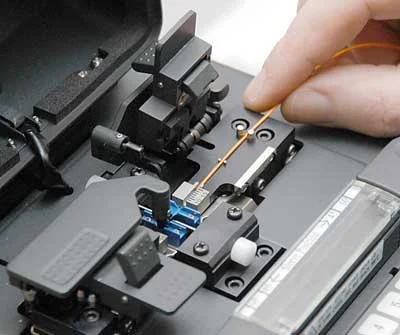
The fusion splicer aligns two prepared fiber ends and welds them together with an electric arc. Preparation includes removing the coating, cleaning, and cleaving precisely with a cleaver. Contamination or a poor cleave can reduce the quality of the splice.
Fiber type, alignment method and environmental conditions matter when choosing the machine's program. The loss estimate on the splicer's screen does not replace measuring and confirming the link; the installation result must be checked with the project's test method.
This page is a proposed plan for the course content. The actual outline, the way it is delivered and the details of the exercises are agreed with participants before registration.
To get this information, submit a coordination request for this course. The date, cost, instructor and venue are announced once the program is confirmed.
This plan proposes one practical exercise. Running it as a workshop and using equipment depends on the facilities and the final program.