Fiber optics
Explore the fundamentals, learn about installation and continue to link testing.

Courses on optical fiber, cabling and solar energy; see the topic, audience and outline of each course and arrange the schedule with us.
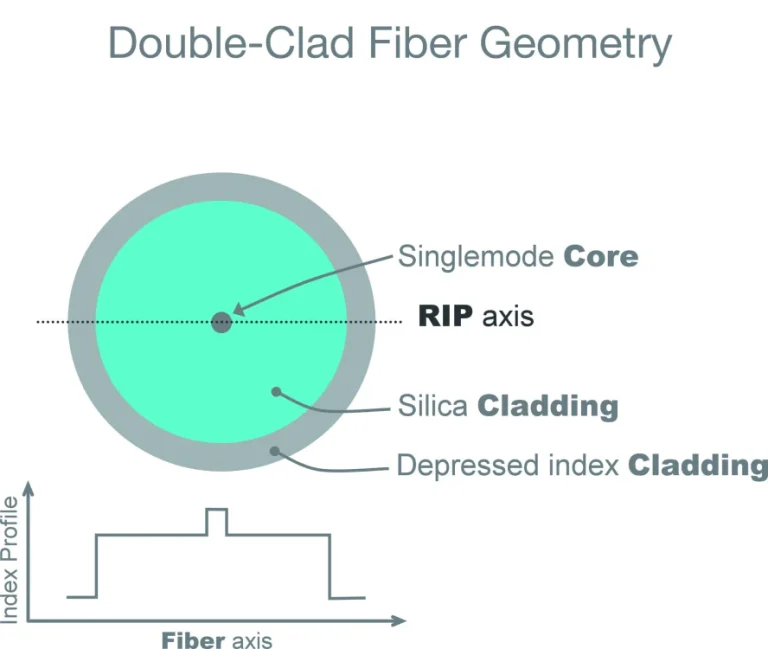 BeginnerFiber optic basics and transmission parameters6 Modules
 Basic to intermediateFiber types and selection standards6 Modules
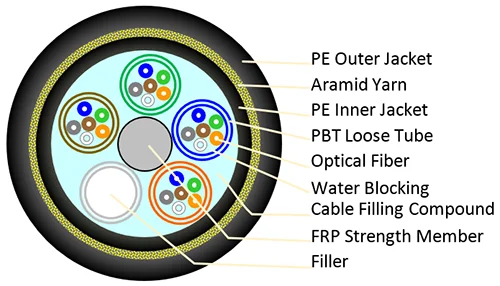
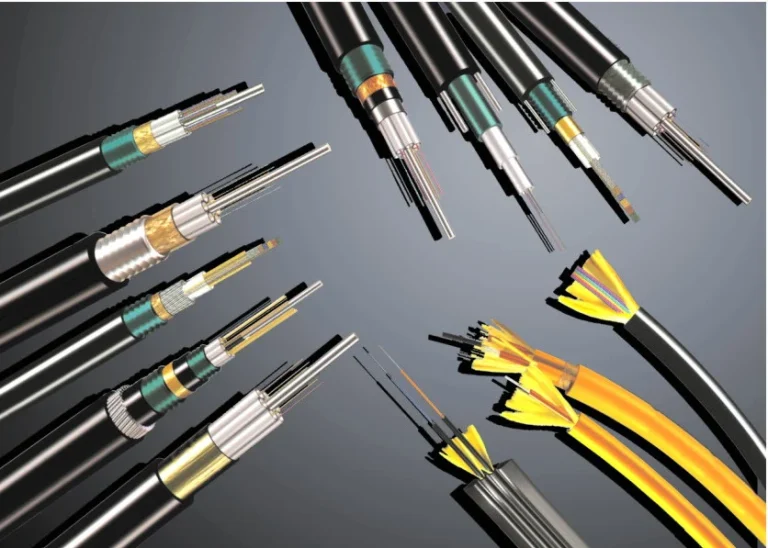 Basic to intermediateOptical cable types and their uses6 Modules
Explore the fundamentals, learn about installation and continue to link testing.
Get to know optical cable construction and installation considerations; then continue with the power wire and cable articles along the same path.
Start with system components and explore the proposed solar power design curriculum.
Select a course to see its audience, prerequisites and suggested outline.
To read the specifications of an optical link, we start from power, loss and wavelength. This course is for people who want to learn the technical language of network design and installation.
Single-mode, multimode, G.652 or G.657; each of these names carries specific properties. In this course we go to those specifications and how to read a datasheet.
Does the cable route run inside a building, or through soil and duct? Is the cable mounted on a pole, or in a microduct? This course explains the differences in construction through exactly these situations.
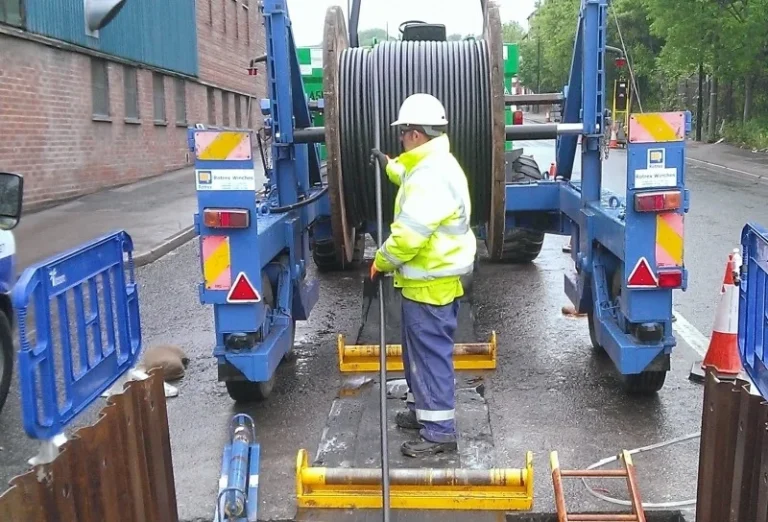
Before opening the reel, we review the route and the method of work: from transport and pulling the cable to bending, the splice point, and the documents needed to hand the job over.
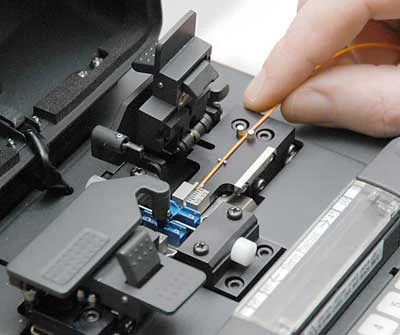
In this course we start from preparing the fiber and continue through to connection and closures. Cleanliness, cleaving and testing the result sit alongside working with the fusion splicer.

Once the link is lit, what do we need to measure to hand it over? In this course we look at test tools, reading the result and writing a report together.

This course starts from irradiance, power and panel specifications and reaches a first system design. The project site and its goal provide the setting for the examples and calculations.
The curricula are proposed outlines. The schedule, fees and format are agreed with Barad before registration.
Read about the course that fits your team's or project's needs.
From the course page or by phone, send your request to hold it along with the number of participants.
The outline, timing and format are made clear before registration.
Review the topics with this academy's articles and technical guides.
The prerequisite for each course is written on that course's page. If you're not sure, ask before registering.
The format is set in coordination with Barad; visiting the office in person is also by prior arrangement.
Yes, send your request with the topic and the number of participants so the options and schedule can be reviewed.
Tell us the topic and the number of participants so we can arrange a suitable schedule.