Skip to main content Skip to content
Barad — wire, cable and communication equipment supplyAdvice and price inquiries: 02121000001
Power cables · Telecommunications · Optical fiberSelect a model | Request a quotation | Contact sales
A Barad course

Optical cable types and their uses

Basic to intermediate6 learning sections

Does the cable route run inside a building, or through soil and duct? Is the cable mounted on a pole, or in a microduct? This course explains the differences in construction through exactly these situations.

The outline on this page is a proposal; the final program is announced before registration.

Optical cable types and applications

Who this course is for

Route design, procurement, installation and maintenance teams

Before you join

Basic familiarity with fiber types and the parts of an optical network.

What the program covers

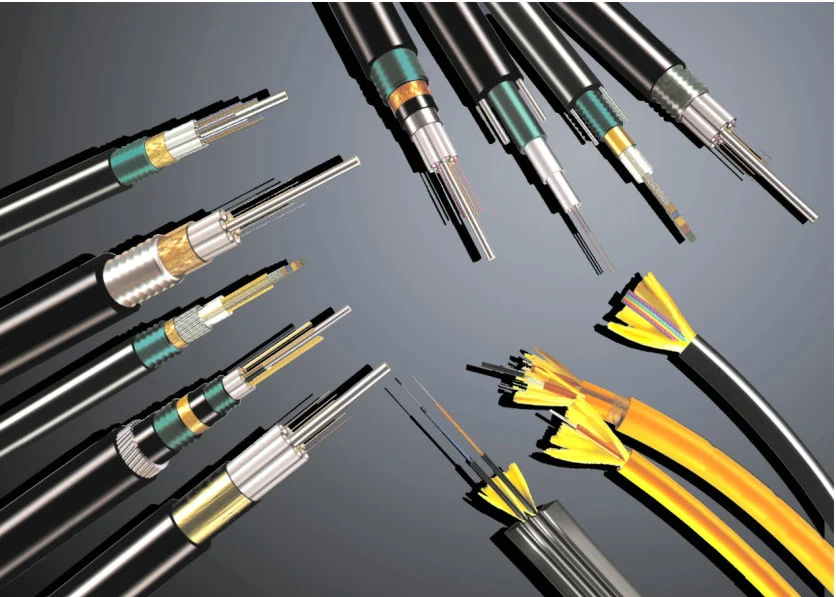
  • Recognizing the common optical cable constructions
  • Choosing the cable family that suits the route
  • Preparing a clear specification for an inquiry
Learning path

Proposed course outline

The proposed program is laid out in six sections. Ask us about the details of the exercises and the tools you will need before you join.

01Cable layers and components
  • Fiber, buffer, tube, strength member and sheath
  • Loose tube and tight buffer: the logic behind the difference in construction
  • The role of water-blocking materials, armor and dielectric members
02Indoor cables
  • Considerations for flexibility, route management and rack installation
  • Reading fire-behavior information from cable documents
  • Riser and distribution cable: choosing by project conditions
03Outdoor and duct cables
  • Comparing duct routes and direct burial
  • Protection against moisture, pressure and mechanical damage
  • Reviewing OCFC and buried constructions from the datasheet
04Aerial cables
  • Self-supporting ADSS construction and cable with a messenger
  • Span, tension and environmental condition parameters
  • The information you need to get an installation design from the manufacturer
05Microcable and drop cable
  • How microduct, microcable and installation method relate
  • Indoor and outdoor drop in an access network
  • Dimensions, fiber count and compatibility with the terminating equipment
06Choosing and ordering cable
  • Color code and numbering of fibers and tubes
  • Reading a cable cross-section and the specification table
  • Building an order form that includes length, fiber count, sheath and installation conditions

Suggested exercise

Study three cable cross-sections and, for a mixed building, duct and aerial route, prepare a cable selection table and a list of technical questions.

Before you join

Is this outline the final program?

This page is a proposed plan for the course content. The actual outline, the way it is delivered and the details of the exercises are agreed with participants before registration.

How are the time, cost and venue set?

To get this information, submit a coordination request for this course. The date, cost, instructor and venue are announced once the program is confirmed.

Does the course include hands-on practice?

This plan proposes one practical exercise. Running it as a workshop and using equipment depends on the facilities and the final program.

Further reading

FOA technical reference for understanding and building an optical network ↗
Contact salesRequest a quotation

How can we help?

Request a quotation Price list Contact sales Online support